
A persistent, rhythmic bark echoing through the hallway while you try to work is one of the clearest indicators of an under-stimulated dog. Unlike sudden alert barks triggered by doorstep delivery notifications, boredom barking is slow, repetitive, and born out of excess physical or mental energy. Addressing this pattern requires shifting our focus from stopping the noise to enriching the canine mind.
Distinguishing Boredom Barking from Separation Anxiety
Recognizing the root cause of excessive vocalization is critical before introducing any management plan. Boredom barks are typically intermittent, accompanied by pacing, door-scratching, or seeking attention, whereas separation anxiety involves physiological distress such as panting, drooling, and panic. Identifying these subtle behavioral triggers ensures you apply the correct calming protocols rather than ineffective corrections.
Implementing High Value Mental Enrichment
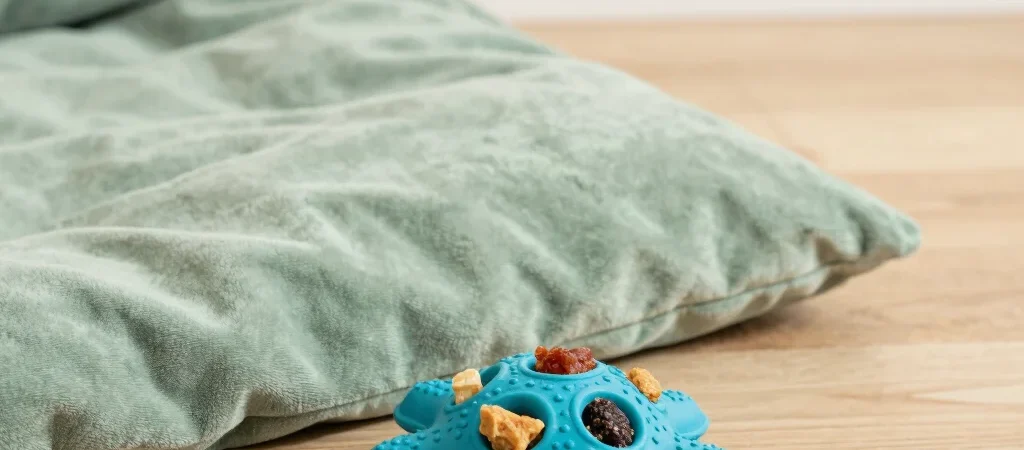
Physical exercise alone rarely tires out an intelligent dog; structured cognitive engagement is essential. Replacing traditional food bowls with durable rubber puzzle feeders, lick mats, or hide-and-seek scent games engages a dog's natural foraging instincts. Spending twenty minutes working for meals provides deep mental fatigue, naturally settling the nervous system into a relaxed state.
Creating a Dedicated Resting Environment
Establishing a predictable daily schedule teaches your dog when quiet rest is expected. Designate a peaceful corner equipped with an orthopedic bed, a soft ambient white noise device, and long-lasting chew toys made from safe natural materials. Guiding your dog to this designated rest space after enrichment activities solidifies positive habits and reduces middle-of-the-day demand barking.
Selecting Science Backed Calming Products
When selecting tools to support your home routine, focus on evidence-based options that promote relaxation. Natural pheromone diffusers, weighted anxiety wraps, and interactive food puzzles can serve as helpful companions during your training journey. As an independent resource, our product evaluations highlight transparent guidance so you can make informed choices that respect your pet.


