
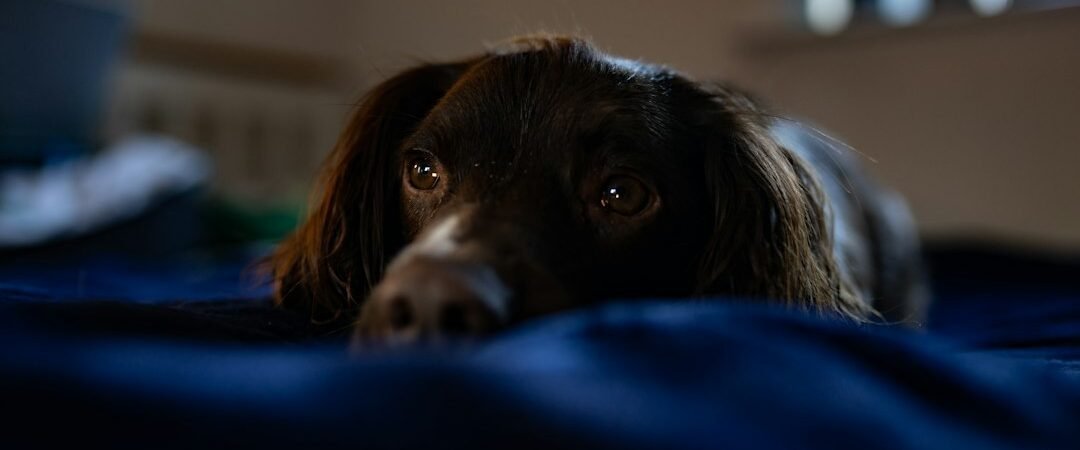
For many dogs, fireworks aren’t just loud. They’re sudden, unpredictable, impossible to locate, and they go on for hours, sometimes for days either side of the actual celebration. It’s no surprise that a dog who copes with almost everything else can end up trembling behind the sofa, panting, pacing or trying to escape. The good news is that the dogs who cope best are usually the ones whose owners started preparing early, and you can start today. This guide gives you a countdown plan, a night-of routine, and the safety steps that matter most.
Quick answer: To calm a dog scared of fireworks, prepare in advance: set up a safe den, get your dog used to any calming aids before the night, and talk to your vet early if the fear is severe. On the night, walk your dog before dark, close curtains, play steady background sound, stay calm and close, and let your dog hide if they want to. Comfort them freely; it doesn’t reinforce fear. Above all, secure doors and gates, because frightened dogs bolt.
Bonfire Night and Diwali 2026: your countdown
This year the two biggest autumn fireworks nights land in the same week. Bonfire Night is Thursday 5 November, and Diwali falls on Sunday 8 November, so many areas will have fireworks on both weekends either side: Saturday 31 October to Sunday 1 November (also Halloween weekend) and Saturday 7 to Sunday 8 November. Expect scattered bangs on the evenings in between too. Getting ready for 31 December as well? See our New Year’s Eve fireworks plan for dogs.
- Now to late October: start sound work at a very low volume and set up your dog’s safe den, so it already feels familiar before the first bangs.
- From 31 October: walk your dog in daylight, close curtains and turn on music or white noise before dusk, and keep doors and gates secured.
- 5 to 8 November: treat each night as a fireworks night. Plan to be home in the evenings if you can, and keep the routine the same each night.
If your dog also barks at the door, Halloween adds trick-or-treaters to that first weekend: see our Halloween plan for dogs who bark at trick-or-treaters.
Free printable: the Fireworks Night Checklist
Every step from this guide on one page, from weeks before to the morning after, with this year’s dates. Pop your email in and we’ll send it straight over, along with the 3-Day Quiet-Down Checklist.
Why fireworks frighten so many dogs
Dogs hear more than we do, and fireworks combine everything that triggers a fear response: very loud, sudden bangs with no warning, flashes of light, and smells of smoke, all arriving from a direction a dog can’t pin down. There’s nothing to escape from and nothing to investigate. Noise fears can also get worse with each frightening experience, which is why a dog who was mildly uneasy as a puppy can be terrified a few years later. That’s also why acting now matters: every calmer firework season helps the next one.
When to expect fireworks
| Occasion | Where | When |
|---|---|---|
| Bonfire Night | UK | 5 November, often spread across the weekends either side |
| Diwali | India, UK and worldwide | October or November (date changes each year) |
| New Year’s Eve | Worldwide | 31 December into 1 January |
| Independence Day | US | 4 July, often several nights around it |
| Local events | Anywhere | Festivals, sports wins, weddings: check local listings |
Note the dates in your calendar now. The more notice you give yourself, the more you can do.
Your fireworks countdown plan
3–4 weeks before
If your dog’s fear is severe (panic, escape attempts, not eating), book a vet appointment now. Some medications need a trial run before the big night, and vets get busy as the date approaches. Choose your den spot and start making it lovely.
2–3 weeks before
Introduce any calming aids now, not on the night: a pressure wrap worn for short, happy sessions; a pheromone diffuser plugged in near the den; calming music during ordinary relaxed evenings, so it becomes a sign of calm rather than of fireworks.
1 week before
Check your dog’s microchip details are up to date and their collar tag has your phone number. Walk your garden boundary for gaps. Stock up on long-lasting chews and lick-mat fillings.
On the day
A good long walk and toilet break in daylight. Dinner a little earlier. Curtains closed and sound on before dusk. Calming aids in place before the first bang, not after.
The days after
Fireworks often continue for several nights. Keep the routine going, keep walks to daylight, and expect your dog to be more jumpy than usual for a few days.
Build a safe den
Many frightened dogs want to hide, and that’s a healthy coping strategy. Help it along: choose a quiet, interior room or corner away from windows, and make a cosy den with blankets, your dog’s bed and a covered crate if your dog already loves theirs (leave the door open). Add a worn T-shirt that smells of you. Put a long-lasting chew or a stuffed food toy there in the days before, so your dog already associates the space with good things. If your dog chooses a different hiding place on the night, such as under the bed or behind the sofa, let them. The best den is the one your dog picks.
On the night: what helps
- Walk before dark. Fireworks usually start at dusk. A frightened dog on a lead can slip a collar and run.
- Close curtains and blinds to block flashes, and keep the lights on.
- Play steady sound. TV, music with a bass line, or a white noise machine softens the bangs. See our guide to calming music for dogs.
- Offer something to do. Licking and chewing are naturally calming: a frozen lick mat or stuffed chew can help some dogs. Don’t worry if your dog is too scared to eat; that tells you how they’re feeling.
- Stay calm and close. Your dog takes cues from you. Carry on quietly with your evening nearby.
- Comfort freely. If your dog comes to you for reassurance, give it. Comforting a frightened dog doesn’t reinforce fear; fear is an emotion, not a trick.
- Never punish or scold barking, trembling, accidents or hiding. Your dog is frightened, not naughty.
Safety first: frightened dogs bolt
More dogs go missing around fireworks nights than at almost any other time. A dog in a panic can jump fences it normally ignores or slip through a door that’s open for seconds.
- ☐ Microchip details updated with your current phone number
- ☐ Collar with an ID tag on, even indoors
- ☐ Garden fences and gates checked; supervise toilet trips on a lead
- ☐ Doors to the outside kept closed; warn visitors and children
- ☐ Never leave your dog alone outside or in a car while fireworks are likely
Calming aids that can help
None of these are cures, but several can take the edge off when they’re set up in advance: a pressure wrap or anxiety vest your dog is already used to, a pheromone diffuser, calming music, and in some cases calming chews given well beforehand. Our calming aids guide explains how to layer them, with a timeline you can follow on the night.
When to talk to your vet
If your dog panics, tries to escape, hurts themselves, can’t settle for hours, or the fear is getting worse each year, speak to your vet well before the next fireworks date. Vets can prescribe medication specifically for noise events, and some products need testing in advance to find the right dose. That’s not a last resort; for severely noise-phobic dogs, it can make the difference between a terrifying night and a manageable one.
Longer term: helping your dog cope better next year
Between fireworks seasons, a gradual sound-desensitisation plan can reduce noise fear: playing firework sounds at a volume so low your dog barely notices, paired with treats or play, and increasing the volume very slowly over weeks. Done too fast it can make fear worse, so go slowly, stop if your dog shows any worry, and consider guidance from a force-free trainer. The principles are the same as in our guide to desensitization and counter-conditioning. Start in spring for the 4th of July, or in summer for Bonfire Night and New Year.
Stick the plan on the fridge: get the free Fireworks Night Checklist by email.
Frequently asked questions
How do I calm my dog during fireworks?
Walk your dog before dark, close curtains, play steady background sound, and let your dog hide in a safe den. Stay calm and nearby, offer comfort if they want it, and give them something to lick or chew. Set up calming aids before the fireworks start, not once your dog is already frightened.
Should I comfort my dog when they’re scared of fireworks?
Yes. Comforting a frightened dog doesn’t reinforce fear. If your dog seeks you out, a calm voice and gentle contact can help. If they prefer to hide alone, let them, and stay nearby.
Why is my dog more scared of fireworks this year?
Noise fears often get worse with repeated frightening experiences, and ageing, pain or hearing changes can also play a part. If the fear is increasing, talk to your vet and start a gentle desensitisation plan between seasons.
Can I give my dog something to calm them for fireworks?
Only what your vet recommends. Over-the-counter calming chews may help mildly anxious dogs, but severe fear often needs prescription medication. Never give human medicines without veterinary advice, and ask well in advance, since some need a trial run.
Is it okay to leave my dog alone during fireworks?
Avoid it if you possibly can, especially with a nervous dog. If you have to go out, walk your dog first, set up the den and sound, and keep the absence as short as possible. Dogs who struggle being alone generally may also benefit from our separation anxiety training plan.
Fireworks season is hard for frightened dogs, but you can make it much easier. Start preparing early, keep them safe, and let them hide; you’re doing exactly what they need.