
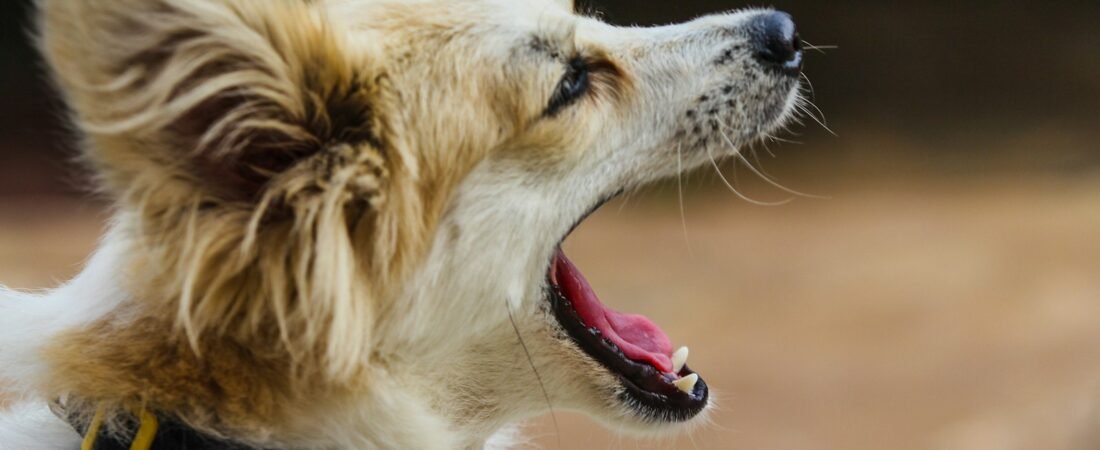
Telling a dog to stop whining doesn’t work, because the whine isn’t the problem — it’s the message. What works is a three-part shift: answer any real need, stop the whine from being the thing that gets results, and give your dog a better, quieter way to ask. If you haven’t yet worked out why your dog is whining, start there; this page is the how-to.
Quick answer: Check first for pain or an unmet need. If the whining is for attention, stop responding to it, reward quiet moments generously, and teach a polite alternative — such as settling on a mat or ringing a bell to go out. Make sure exercise and enrichment are covered. Treat fear-based whining with a confidence-building plan, and never punish it.
The method at a glance
Step 1
Rule out pain & needs
Step 2
Stop paying the whine
Step 3
Reward the quiet
Step 4
Teach a better way to ask
Step 5
Fill the gaps in their day
Step 1: rule out a real need or pain
Before you train anything, check the whining isn’t about the toilet, hunger, thirst, temperature or discomfort. Whining that is new or sudden is a reason to see the vet. A dog genuinely asking for something it needs should get it — training is only for the whining that’s left once those needs are met.
Step 2: stop the whine from paying off
Attention-whining usually persists for one reason: it works. Food, play, a stroke, eye contact, even a sharp “stop it” — all of these tell your dog the whine got through. While your dog is whining for attention, give it nothing: no words, no touch, no look. Then, the instant they go quiet, turn back to them.
Step 3: reward the quiet
This is the core of training a dog out of whining. Notice calm, quiet behaviour and reward it — a calm “good”, a treat, a gentle stroke. Most of us only engage with our dogs when they’re noisy, and quietly flipping that habit makes a surprising difference within a week or two.
Step 4: give your dog a better way to ask
Dogs whine partly because it’s the only tool they have. Give them a different one and the whining has less to do. Some options that work well:
- Go to a mat. Teach your dog to lie on a mat or bed, and reward it richly. Over time, settling on the mat becomes the way to get your attention — you notice and reward it, rather than the whine.
- A bell for the door. Hang a bell by the back door and ring it every time you take your dog out to toilet. Many dogs learn to nudge it themselves, which replaces the “let me out” whine with a clear signal.
- Sit to request. Make a sit the polite way to ask for things — the lead going on, the food bowl going down, a game starting. A dog that’s sitting quietly isn’t whining.
- A chew for waiting moments. If whining happens while you’re eating or busy, hand over a long-lasting chew before the whining starts, so waiting becomes something pleasant.
The principle: reward the behaviour you want to replace the whine, consistently, and the whine gradually becomes unnecessary.
Step 5: fill the gaps in their day
Dogs with enough to do whine less. Check your dog is getting enough physical exercise and mental work — puzzle toys and calming enrichment help a lot — and has a comfortable, safe place to rest.
When the whining is about fear
Whining driven by fear or being left alone is distress, not demand, so the ‘don’t respond’ approach doesn’t fit. Use a confidence-building plan instead: separation anxiety training for whining when you’re out, or our night guide for whining at bedtime. If barking comes with it, the main barking guide fills in the rest.
Expect a short spike first
Once whining stops getting results, many dogs whine harder for a few days — they’re testing whether more effort will work. It’s a normal phase and a sign you’re on track. The one thing to avoid is responding during the peak, which teaches your dog that louder and longer is the way to go.
Frequently asked questions
How do I get my dog to stop whining?
Check for pain and unmet needs first. Then stop responding to attention-whining, reward calm quiet, teach a polite alternative such as going to a mat, and make sure your dog is properly exercised and occupied. Fear-based whining needs a gradual confidence-building plan rather than being ignored.
Should I ignore my dog when it whines?
Only when it’s learned attention-whining — and ignoring works best when paired with rewarding the quiet that follows. Whining that comes from a real need, pain or fear should always get a response.
Why does my dog’s whining get worse when I ignore it?
Because it used to work. When a reliable strategy stops paying off, dogs (and people) try harder before giving it up. This temporary escalation usually fades within a week or two if everyone stays consistent.
Is it ever okay to punish whining?
No. Whining is a dog’s way of communicating, and punishing it adds fear without solving the cause — and with an anxious dog it can make things noticeably worse.
Every time you notice your dog being calm and quiet, let them know you noticed. That’s how you get more of it.